
It's 10pm. You Know What You Need. Here's How to Get It Without the Waiting Room
Written by Casey Hicks, FNP-BC, Family Nurse Practitioner and founder of Practical Telehealth | Updated June 24, 2026
You're in your bathroom with the light off. Phone brightness turned down. You've been drinking water since lunch hoping this would pass. It hasn't.
You know the burn. You've had a UTI before. You know you need an antibiotic, not a lecture, not a three-hour urgent care performance where you explain your entire medical history to get a prescription that takes 90 seconds to write.
This is the moment 50,000 people search for every month. Not because they're googling symptoms. Because they're trying to skip the part of healthcare that treats their time like it has no value.
If that feels familiar, you're exactly who we built this for.
The math your doctor's office hopes you don't do

Let's be honest about what waiting costs.
An urgent care visit for a UTI right now will run you $160 to $320, and that's before the pharmacy. The national average without insurance is $125 to $300, with most people paying around $180. Another data set puts the typical range at $150 to $250 just for the office fee. The ER is $1,200 to $3,000 plus for the same antibiotic.
Now compare that to time.
The average wait for a dermatologist in the US is 34.5 days. In Philadelphia it's 78 days. In Miami it's 11. Boston averages 72 days for dermatology. A Stanford study across 15 cities found waits exceeding three weeks, with a 24.3-day average.
For mental health it's worse. The median wait for a psychiatrist is 67 days in person, 43 days for telepsychiatry. Researchers describe it as months-long waits, with over a month even for a video visit.
You are not imagining the friction. The system is designed for the system's schedule, not yours.
You're not reckless. You're rationally impatient.

After reviewing thousands of visits, we see six people arrive at 10pm. You might recognize yourself.
The Urgent Sufferer has the UTI, the tooth pain, the poison ivy that spread while you were at work. You need UTI treatment tonight, not next Tuesday. You click when you see the words "tonight" and "prescription sent to your pharmacy."
The Quiet Sufferer has been looking at thinning hair or eyelashes for six months. You don't want to say it out loud in a waiting room. You want to handle it privately with a real clinician who won't make it a thing. You click when content names the shame without amplifying it.
The Behavior Changer is done with "try harder" for weight or smoking. You know GLP-1 medications work. You want a provider who will evaluate you like an adult, not lecture you. You click when we say "candidate for semaglutide" instead of "weight loss tips."
The System Navigator just needs a primary care refill or lab order and your PCP is booked four weeks out. You click for competence, not urgency.
The Appearance Investor knows the exact name bimatoprost and wants it without the dermatology production. You click when we skip the basics.
The Medicare Patient wants legitimacy above all. You read the credentials twice before you click.
We built different doors for each of you, but the hallway is the same.
Can I actually get a prescription online tonight?

Yes, in the states we serve, a licensed nurse practitioner can evaluate your symptoms through a secure video or chat visit and, when clinically appropriate, send a prescription electronically to your preferred pharmacy that night. The visit costs $20 and requires no insurance. You do not need an in-person exam for uncomplicated UTIs, many skin flares, or medication refills you have taken before.
If it's not appropriate, we tell you that too. No prescription is guaranteed. That is the difference between legitimate telehealth and a pill mill.
Start your $20 visit for UTI, skin, or primary care
How Practical Telehealth works in three clicks

We designed this for the moment you're in, not for our admin dashboard.
1. Tell us what you're experiencing. No account creation wall. No insurance card photo. Just your symptoms in your words.
2. Meet with a licensed provider. I'm Casey Hicks, FNP-BC, and our team are board-certified NPs who have treated these conditions in clinics for years. We review your history, ask the questions that matter, and make a clinical decision.
3. Get your plan sent to your pharmacy. If a prescription is appropriate, it goes directly to your pharmacy. If you need labs, we order them. If you need a follow up, we schedule it. The flat fee covers the visit. No surprise bills.
We offer this same $20 model for cold and flu, primary care, mental health, UTI and BV treatment, and skin conditions. One price because hidden fees are what broke your trust in the first place.
For the things you don't want to say out loud

Hair loss. Eyelash thinning. Anxiety that you've been managing for eight months. Weight that won't budge despite doing everything right.
You searched alone for a reason. You don't want a waiting room conversation about it.
Our mental health visits start the same way. You describe what's been happening, a provider listens without the clipboard performance, and you discuss options including medication when appropriate. First visit is $20. No referral needed. No need to convince anyone you're struggling enough to deserve help.
For skin, we don't make you re-explain 12 years of eczema to someone meeting you for the first time in urgent care. You know your triggers. We respect that expertise and focus on getting you the prescription that stops the flare now, not in 34 days.
What $20 actually buys you
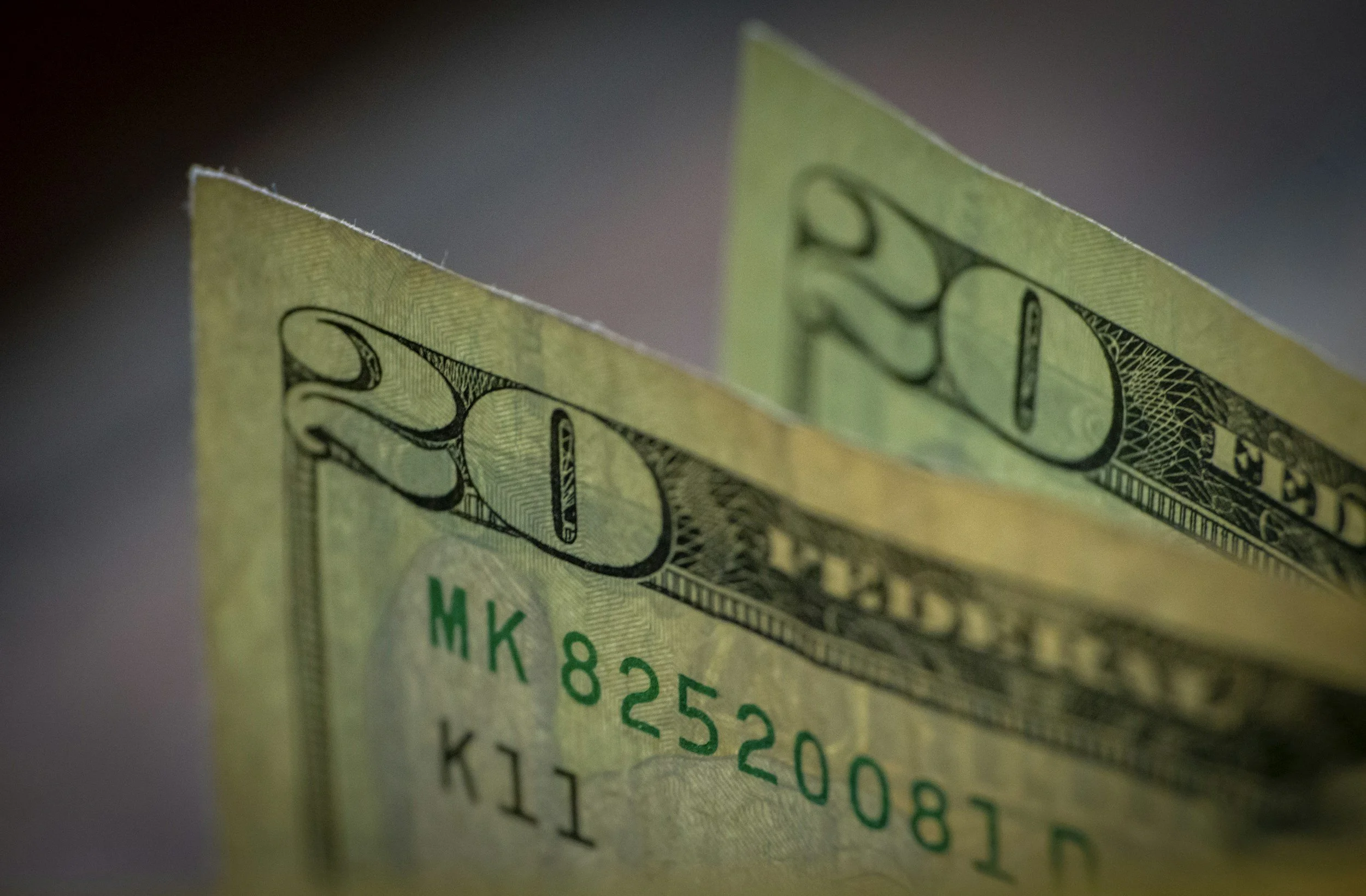
This is the contrast anchor that turns suspicion into relief.
Urgent care: $180 average, 90-minute wait, same antibiotic you'd get online.
ER at 2am for dental pain: $1,500 minimum, often just antibiotics and a referral.
Dermatologist for a flare you have had before: 24 to 78 days wait, $200+ copay.
Practical Telehealth: $20, provider review typically under an hour, prescription sent tonight if appropriate.
The $20 isn't cheap care. It's efficient care without the building, the front desk staff, and the billing department that charges you for all of it.
Is this legitimate?
Yes. Here's how you can check.
I'm Casey Hicks, FNP-BC. I've treated UTIs, skin infections, and primary care patients in clinics for over ten years. I started Practical Telehealth after watching too many patients wait three months for a dermatologist for a flare we could safely treat in a video visit.
Every visit is with a licensed nurse practitioner or physician assistant in your state. We follow current CDC guidelines for UTIs, American Academy of Dermatology guidance for eczema, and standard screening tools for depression. If we don't think virtual care is right, we tell you that and refund the visit.
We don't hide pricing. It's $20, flat. No insurance games, no subscriptions, no surprise bills after. Our platform is HIPAA compliant. You can verify our licenses on your state board website. We publish only what we actually treat, and clinicians review every page before it goes live.
Frequently asked questions patients actually ask

How fast will I be seen?
Most visits are reviewed within an hour during evening hours, often faster. We staff for 7pm to midnight because that's when you search.
Do you take insurance?
No, and that's intentional. The $20 flat fee is less than most copays, and it means no prior authorizations, no surprise bills, and no diagnosis codes sent to your employer plan.
What states do you cover?
Check your state on our site before you start. We add states monthly as we license providers.
Will you actually prescribe or just tell me to go to urgent care?
If it's clinically appropriate and within our scope, we prescribe. If you need in-person care, we tell you immediately and refund the visit. We do not prescribe controlled substances.
