
Why Getting Sick Keeps Making You Feel Depressed: The Virus-Mental Health Link Nobody Talks About
You got over the flu three weeks ago. Or maybe it was COVID. Maybe it was one of those mystery viruses that knocked you flat for a week and left you feeling like someone turned a dimmer switch on your whole life.
The fever broke. The cough is gone. Your doctor says your bloodwork looks fine.
But something still feels wrong.
You are exhausted in a way that sleep is not fixing. Nothing you used to enjoy feels worth the effort. You go through the motions of your day but feel like you are watching yourself through glass, slightly removed from your own life. You keep telling yourself it is just recovery. That it will pass.
Except it is not passing.
If that sounds like where you are right now, there is something important you need to hear: you are not being dramatic, you are not weak, and this is not all in your head. What you are experiencing has a biological explanation, a name, and real treatment options. And far too few people are talking about it.

The Question Almost Nobody Thinks to Ask
When people start feeling depressed, they look inward. They think about stress, relationships, work, past experiences. All valid. All worth exploring.
But almost no one asks: when did I last get seriously sick?
That question turns out to matter more than most people realize. A growing body of research is making it clear that viral infections, ranging from the common flu and the Epstein-Barr virus (the one behind mono) to COVID-19 and other respiratory viruses, can trigger or significantly worsen depression and anxiety through mechanisms that have nothing to do with your circumstances or your mindset.
Your body gets infected. Your brain chemistry gets disrupted. And the emotional fallout can linger for weeks, sometimes months, after the physical illness is completely gone.
This phenomenon is called post-viral depression, and researchers are finding it is far more common than the medical community previously acknowledged.
What a Virus Actually Does to Your Brain
Here is the biology that most people never get explained to them.
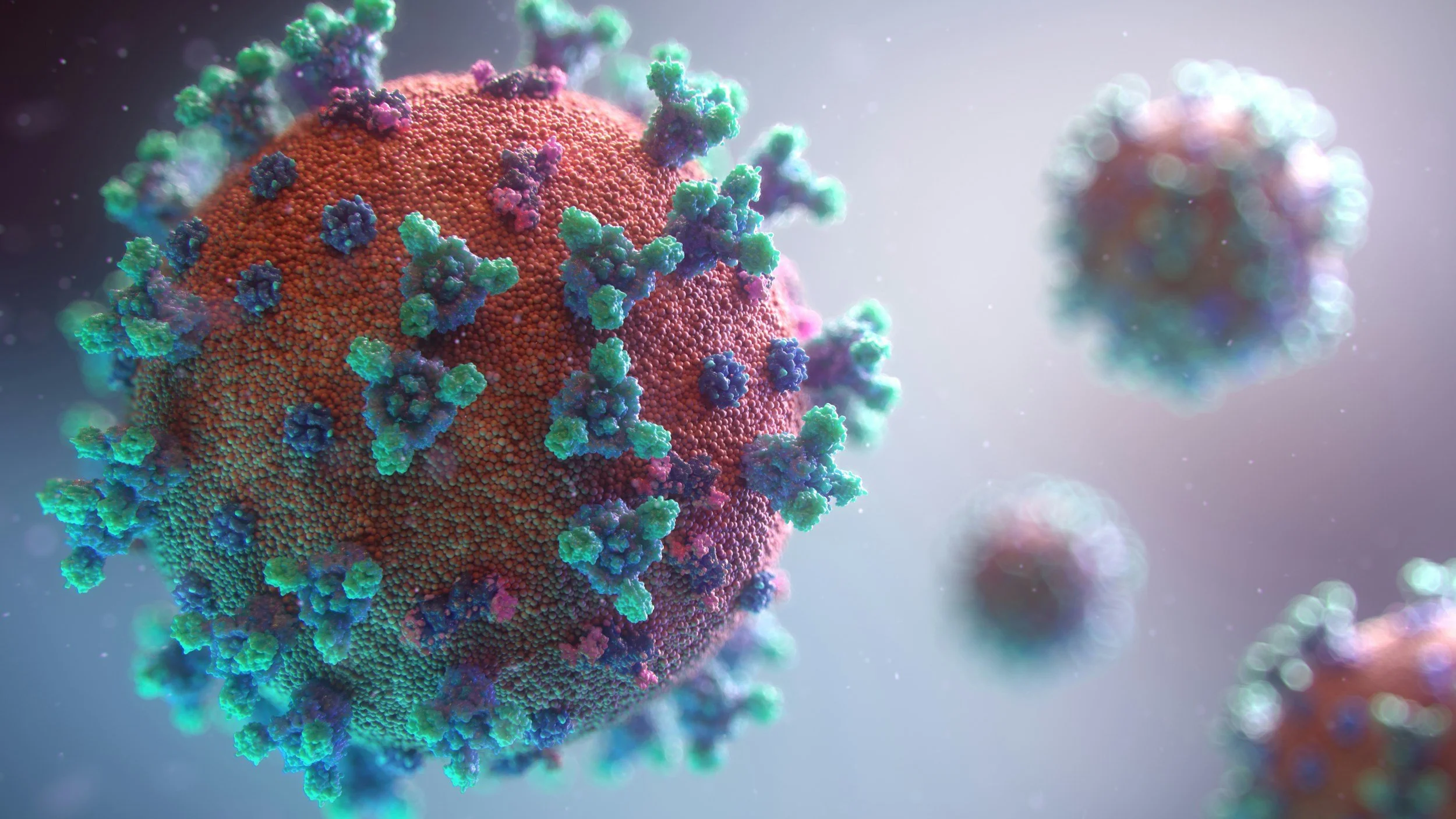
Your brain and your immune system are not separate systems. They are in constant conversation, and when a virus enters your body, that conversation gets loud and disruptive.
When your immune system fights off an infection, it releases a flood of proteins called cytokines, including IL-6, IL-1β, and TNF-alpha. These chemical messengers coordinate your immune response effectively. The problem is they also cross into the brain, where they can interfere with the systems that regulate mood, motivation, sleep, and your capacity to feel pleasure.
Specifically, elevated cytokine activity has been linked to reduced serotonin production and disrupted dopamine signaling. Those are the same neurotransmitter pathways that are disrupted in clinical depression.
Researchers have put it plainly: viruses can interfere with the brain chemicals that control mood, memory, and learning, including serotonin, dopamine, and glutamate. In some cases, a viral infection can even trigger an immune response that attacks the brain's own receptors.
This is why you can feel profoundly low after an illness even when "nothing in your life has changed." Something did change. It changed in your brain chemistry, and your emotional experience is reflecting that accurately.
Post-Viral Depression Is Not New. We Just Got Better at Noticing It.
This is not a COVID-era discovery, even though COVID brought enormous attention to it.
Medical historians have noted that the 1918 influenza pandemic was followed by a striking rise in psychiatric conditions and mood disorders. The 2003 SARS epidemic left survivors with measurably higher rates of PTSD, depression, and anxiety long after physical recovery. Research has linked the Epstein-Barr virus, the one most of us had as teenagers without ever knowing it, to an elevated risk of later developing major depressive disorder.
A 2025 study published in Brain, Behavior, and Immunity found genetic evidence supporting a direct causal link between certain viral infections and the risk of developing depression. Epstein-Barr infection specifically was associated with an elevated likelihood of major depressive disorder. Poliovirus infection was linked to a 3 percent increased risk of the disorder as well.
COVID accelerated the conversation because the scale was impossible to ignore. Global rates of depression rose by roughly 27.6 percent and anxiety by about 25.6 percent during the pandemic period. And the mental health consequences did not stay neatly contained to the acute illness phase. Months after physical symptoms resolved, large numbers of survivors were still reporting depression, fatigue, brain fog, and anxiety that required clinical attention.
It forced medicine to take post-viral mental health effects seriously as a category in their own right, and that is a long-overdue development.

How Do You Know If This Is What You Are Dealing With?
Post-viral depression overlaps significantly with regular depression in terms of what it feels like day to day. The distinction often comes down to timing and context.
Common signs to watch for:
A persistent low mood, numbness, or hopelessness that appeared or dramatically worsened during or after a viral illness
Fatigue that goes beyond what you would expect from normal recovery, and that is not improving with rest
Brain fog: difficulty concentrating, finding words, or retaining information
Loss of interest in activities that normally bring you enjoyment (clinicians call this anhedonia)
Disrupted sleep, either chronic insomnia or sleeping far more than usual without feeling rested
Increased anxiety, irritability, or emotional reactivity that feels out of proportion
Physical recovery that feels complete while emotional recovery has stalled
Some experts believe that leftover traces of the virus, or an immune system that has not fully settled back to baseline, can drive ongoing mental health symptoms even long after the acute illness is gone. Recovery is not always linear, and the emotional timeline does not always match the physical one.
A useful rule of thumb: if these symptoms have been present for more than two weeks after your physical illness resolved, and they are interfering with your ability to function in daily life, that is a signal worth taking seriously rather than waiting out.
The Specific Viruses Getting Attention Right Now
Searches for certain infectious diseases have spiked significantly in recent months, partly due to global health news cycles and heightened awareness around emerging and serious pathogens. People researching these illnesses are increasingly running into a question they did not expect: what does a serious viral infection do to mental health?
It is a genuinely important question, and the answer applies broadly.
Research consistently shows that any illness severe enough to require significant immune activation has the potential to affect brain chemistry in the ways described above. The more severe the infection and the more prolonged the inflammatory response, the higher the likelihood of downstream mental health effects.
What this means practically: if you have recently recovered from any serious illness and you are experiencing the emotional symptoms described in this article, the connection deserves your attention. Post-viral depression is not exclusive to COVID. It is an immune-mediated process that can follow many types of significant viral infections.
If you had a rough illness in the past few months and your mood has not recovered the way your body did, that pattern is worth discussing with a provider.

Why This Keeps Getting Missed
Several factors conspire to make post-viral depression difficult to identify and address.
The timing gap is confusing.
Because emotional symptoms can peak or even begin after physical recovery, people often do not connect the two events. They think of the illness as over and look for other explanations.
It gets dismissed.
"You're just tired from being sick." "Give yourself more time." "This is probably just stress." These explanations are not always wrong, but they are sometimes used to wave off something that genuinely requires clinical attention.
Stigma still operates as a barrier.
Many people are more willing to pursue treatment for a physical symptom than an emotional one, even when the emotional symptom is directly caused by the same biological event.
Access to mental health care is genuinely limited in most of the country.
The average wait time to see a psychiatrist runs from several weeks to several months in many areas. For someone dealing with something that emerged acutely after an illness, that timeline is not realistic.
This is exactly where telehealth services for depression have changed the practical equation for a lot of people.

Getting Help Without Waiting Weeks or Paying a Fortune
Most people do not know this: you do not need a referral, you do not need insurance, and you do not need to wait a month to talk to a licensed provider about what you are going through.
Online services for mental health have changed that significantly. And for post-viral depression specifically, speed of access matters. The sooner you get an accurate clinical picture of what is happening, the sooner you can start a treatment plan that addresses it.
At Practical Telehealth, a licensed provider reviews your symptoms, history, and goals within 24 hours of your intake form. A virtual visit starts at just $20. If a non-controlled antidepressant medication is clinically appropriate, a prescription can be sent directly to your pharmacy. No long wait, no commute, no sitting in a waiting room describing your lowest moments to a stranger in person before you are ready for that.
This is what depression treatment online looks like when it is done right: responsive, private, clinical, and built around the reality of how people actually live.
The care model follows the same evidence-based approach you would receive in a traditional office. It just removes the barriers that caused most people to either delay getting help or never seek it at all.

What Treatment for Post-Viral Depression Actually Looks Like
Treatment is not one-size-fits-all, but there are clear patterns in what tends to work.
Medication management.
For many people, SSRIs or SNRIs help correct the neurotransmitter imbalances that the viral illness disrupted. These are not sedatives or quick fixes. They are clinically supported tools that, for the right person, can make a meaningful difference within a few weeks. A licensed provider through our virtual mental health services can assess whether this is appropriate for your situation and manage follow-up care.
Cognitive Behavioral Therapy (CBT).
Research consistently shows CBT is effective for depression. It helps people identify and challenge the thought patterns that depression reinforces, and it builds practical coping strategies. This is available through telehealth with the same clinical outcomes as in-person delivery.
Lifestyle and recovery support.
Studies show that moderate-to-high intensity exercise practiced consistently over two months can significantly reduce depression symptoms, including in post-COVID cases. Sleep hygiene, nutrition, and social connection are not trivial add-ons to treatment. They are part of the clinical picture.
Integrated care.
Sometimes post-viral depression intersects with other physical symptoms still being sorted out. You may want to check our lab order services to rule out thyroid problems, vitamin deficiencies, or other contributors to fatigue and low mood that can be identified through bloodwork. A provider who understands both sides of your health picture can coordinate care far more effectively than treating physical and mental health as completely separate issues.

A Note on Behavioral Health and Why the Language Matters
The field sometimes uses the term behavioral health services alongside mental health, and the distinction matters.
Behavioral health is the broader umbrella that includes mental health conditions like depression and anxiety, but also encompasses the ways that behaviors, lifestyle patterns, and physical health intersect with emotional wellbeing. Post-viral depression sits exactly at this intersection: a physical event with direct emotional and behavioral consequences.
The National Institute of Mental Health recognizes telehealth as an effective way to deliver behavioral health services, including therapy and medication management, with outcomes comparable to in-person care. The American Psychological Association has documented that teletherapy shows clinical efficacy for depression, anxiety, PTSD, and adjustment disorders.
And survey data from the HHS shows that 80 percent of mental health treatment facilities now offer care via telehealth, which is a significant shift from where things stood just a few years ago.
If you are navigating the aftermath of a serious illness and struggling emotionally, you are not on the fringes of the mental health and behavioral health systems. You are right at their center, and you deserve access to care that reflects that.

When to Seek Help Right Now
Not every period of low mood after an illness requires clinical intervention. Sometimes the body genuinely needs more time, and normal recovery does bring mood back up without treatment.
But there are signals that mean you should not wait.
Talk to a provider promptly if you are experiencing:
Low mood or emotional emptiness lasting more than two weeks post-illness
Inability to function at work, in relationships, or in daily tasks
Feelings of hopelessness or the sense that things will not get better
Sleep that has been consistently disrupted for weeks
Thoughts of self-harm or the sense that others would be better off without you
If you are experiencing thoughts of self-harm or suicide right now, please contact the 988 Suicide and Crisis Lifeline by calling or texting 988. It is available 24 hours a day, every day.
For everything else on that list, online mental health treatment through a licensed provider is a clinically appropriate, fast, and affordable path forward.

The Bottom Line
Your body and your brain are not operating separately. When a virus disrupts your immune system, it can disrupt your neurochemistry in ways that feel exactly like depression, because clinically speaking, they are.
This is not a personality flaw. This is not something to push through without support. And it is not something you have to wait months or spend hundreds of dollars to address.
You can access a licensed mental health provider today for $20, get a treatment plan within 24 hours, and if appropriate, have a prescription on the way to your pharmacy before the end of the day.
You got through the illness. Now let us make sure you actually recover.
Book your virtual mental health visit at Practical Telehealth.

Frequently Asked Questions
Can a virus actually cause clinical depression?
Yes. Research published in peer-reviewed journals including Brain, Behavior and Immunity has found causal genetic links between specific viral infections and an increased risk of major depressive disorder. The mechanism involves cytokine-driven disruption of serotonin and dopamine systems in the brain, which are the same systems disrupted in clinical depression.
How long does post-viral depression last?
It varies. For some people it resolves within a few weeks with rest and support. For others, particularly in cases of more severe infections or existing vulnerability to depression, symptoms can persist for months without treatment. Getting an assessment early helps establish the right approach faster.
Is online depression treatment as effective as in-person care?
Yes. Research from the American Psychological Association and multiple clinical trials confirms that teletherapy produces outcomes comparable to in-person therapy for depression, anxiety, and related conditions. The key is working with a licensed provider on an evidence-based treatment plan.
Do I need insurance to access mental health telehealth services?
No. Practical Telehealth's virtual mental health visits start at $20 and do not require insurance. You can also use our lab order services to run relevant bloodwork independently to rule out other causes of fatigue or mood changes.
What if I also have ongoing physical symptoms from the illness?
Our providers consider your full picture. You can also explore our full range of services for primary care issues that may be intersecting with your mental health concerns.

Sources
National Institute of Mental Health: Getting Mental Health Support Virtually
Cleveland Clinic: Post-Viral Syndrome
Banner Health: Understanding Post-Viral Depression
PsyPost: Common Viruses May Directly Affect Mental Health Risk
American Psychological Association: Telehealth and Telepsychology
HHS Telehealth: Telehealth for Behavioral Health
PMC / Frontiers in Psychiatry: Viral Infections and Mental Health in the Post-Pandemic Era
INA-RESPOND: From Virus to Mind
This content is for informational purposes only and does not constitute medical advice. If you are experiencing a mental health emergency, please call or text 988 or call 911.
