
A toothache can start as a small irritation and quickly become something that affects your sleep, eating habits, and daily routine. When bacteria enter the tooth or surrounding gum tissue, they can cause an infection that needs proper medical attention. Understanding your dentist treatment plan can help you make informed decisions about managing pain, addressing infection, and protecting your long-term oral health.
The challenge is knowing what kind of care you actually need. Some dental problems require professional procedures, while others may benefit from an initial medical evaluation and appropriate medication. Knowing the difference can help you avoid unnecessary delays and choose a safer path toward recovery.

Why Dental Infections Should Never Be Ignored
Dental infections develop when harmful bacteria enter the inner structures of a tooth or surrounding tissues. An untreated cavity, damaged tooth, gum disease, or previous dental procedure can create an opportunity for bacteria to multiply.
The infection may initially cause mild discomfort, but symptoms can become more serious over time. Ignoring persistent pain is not a good strategy because an infection can spread beyond its original location.
Common Causes of Dental Infections
Several dental problems can contribute to bacterial infections:
Untreated cavities: Deep tooth decay can allow bacteria to reach the dental pulp.
Cracked teeth: Small cracks may provide an entry point for bacteria.
Gum infections: Bacteria accumulating around the gums can cause inflammation and infection.
Dental abscesses: A collection of pus can develop around a tooth root or gum tissue.
Previous dental procedures: Certain complications after treatment may increase infection risk.
Identifying the underlying cause is important because different dental problems require different treatments.
Early Symptoms That Need Attention
Recognizing symptoms early can help you seek appropriate care before complications develop.
Common warning signs include:
Persistent or throbbing tooth pain.
Swelling around the gums or cheeks.
Sensitivity to hot and cold foods.
Pain while chewing.
A bad taste or unpleasant smell in the mouth.
Fever or swollen lymph nodes.
If you notice these symptoms, arrange a professional evaluation rather than relying on home remedies alone.
What Goes Into a Dentist's Treatment Plan?
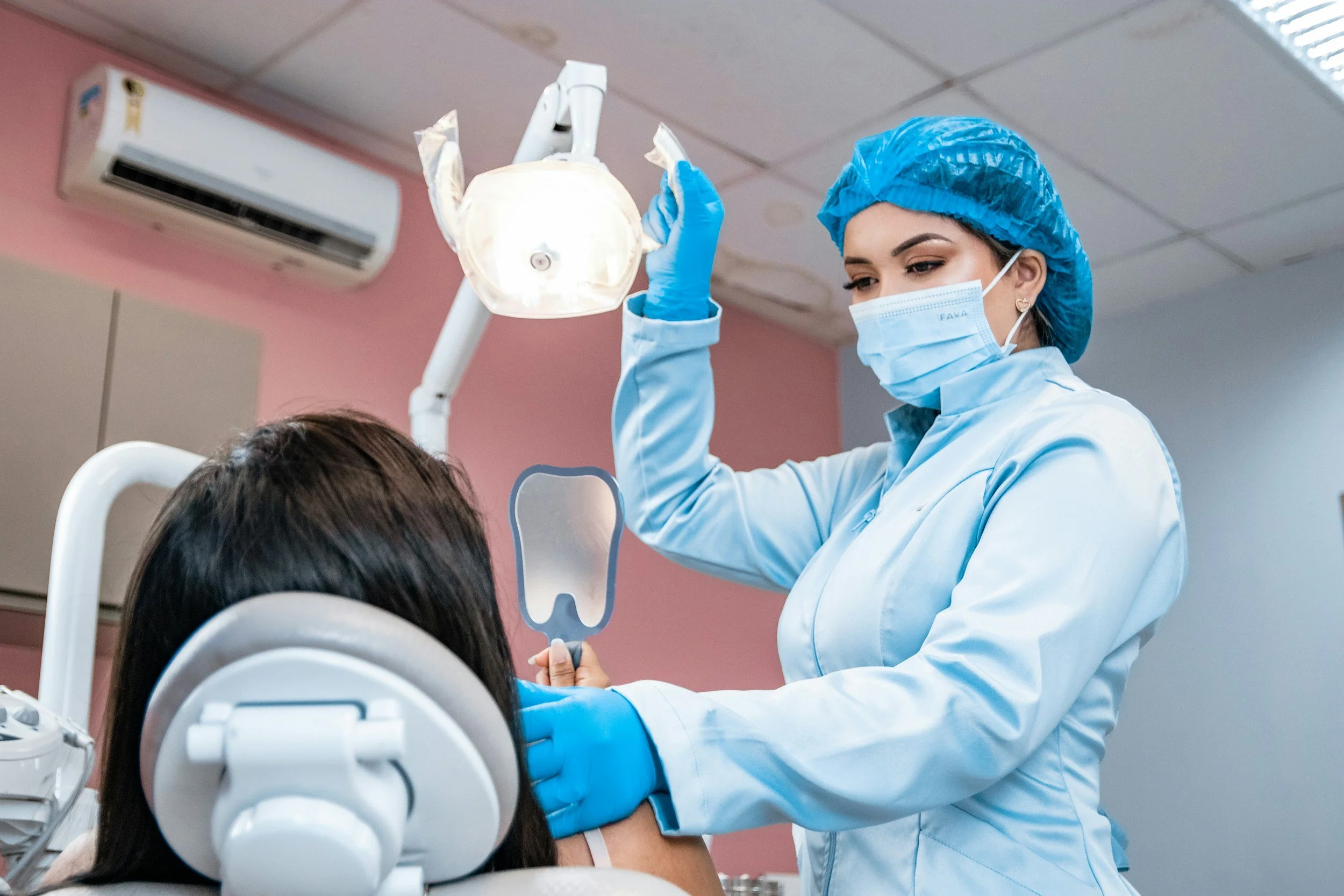
Dental infections do not have one universal solution. The right approach depends on the location of the infection, its severity, your medical history, and whether the tooth can be saved.
A dental professional generally evaluates the affected area before recommending the next steps.
Understanding the Initial Dental Evaluation
During an examination, a dentist may check the affected tooth, surrounding gums, swelling, and tenderness. Dental X-rays can also help identify problems that are not visible during a routine examination.
Your medical history matters too. Allergies, existing conditions, and medications can influence which treatment options are appropriate.
For example, someone with a cracked tooth and someone with a gum abscess may experience similar pain but need different treatment approaches.
Factors That Influence Treatment Decisions
A professional may consider several factors:
How long the symptoms have been present.
Whether swelling is limited or spreading.
Whether the infection has affected the tooth pulp.
Whether there is an existing abscess.
Whether the patient has medication allergies.
Whether immediate dental intervention is necessary.
The purpose of an evaluation is not simply to reduce discomfort. It is to identify what is causing the problem and determine the safest next step.
Common Treatment Options for Dental Infections
Treatment depends on the underlying dental condition. Medication may help manage certain bacterial infections, but some problems require procedures to remove the source of infection.
Antibiotics and Their Role
Antibiotics may be prescribed when a healthcare professional determines that a bacterial infection requires them.
Commonly used dental antibiotics include amoxicillin, clindamycin, and metronidazole. However, the appropriate medication depends on the patient's medical history, allergies, and clinical circumstances.
Antibiotics should never be taken without professional guidance or shared with another person.
It is also important to understand that antibiotics do not repair a damaged tooth or automatically eliminate an abscess. They may control the spread of infection, but definitive dental treatment may still be necessary.
Dental Procedures That Address the Root Cause
When an infection originates inside a tooth or around its root, a dentist may recommend a procedure to address the source.
Root Canal Treatment
A root canal may be recommended when bacteria infect the soft tissue inside a tooth.
During this procedure, the dentist removes infected pulp, cleans the internal space, and seals the tooth. A crown may be recommended afterward to restore its strength.
This approach can help preserve a natural tooth instead of removing it.
Tooth Extraction and Abscess Drainage
Sometimes, a tooth is too damaged to save. In such cases, extraction may be necessary.
If an abscess has formed, a dentist may also need to drain the collected pus. This helps remove the source of infection and supports healing.
The decision depends on the condition of the tooth and surrounding tissues.
How Virtual Healthcare Can Help With Dental Infections
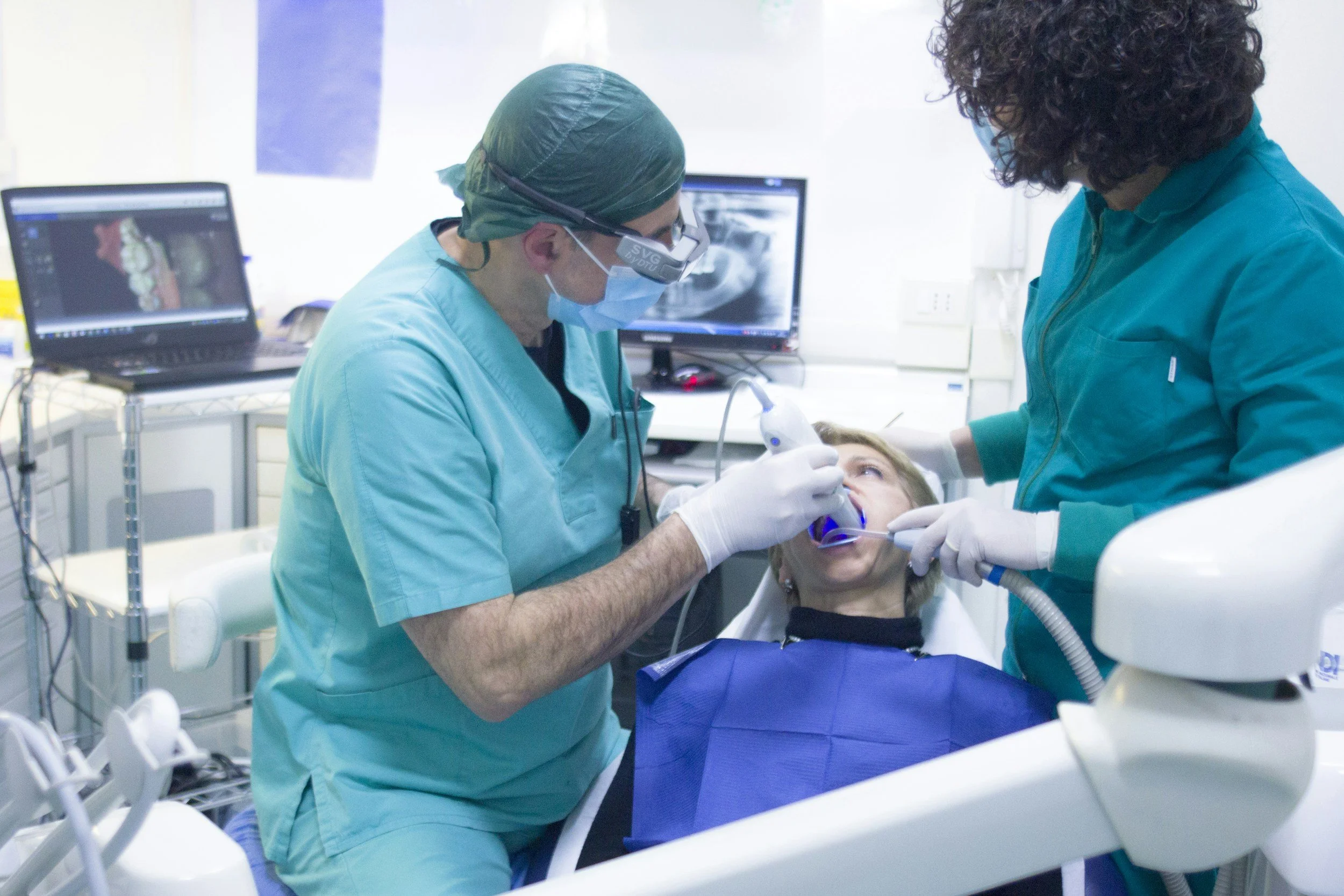
Getting an appointment with a dental professional is not always easy. Busy schedules, travel difficulties, and unexpected expenses can delay an evaluation.
Virtual healthcare can provide another way to receive an initial assessment and understand your next steps.
What Happens During an Online Evaluation?
An online consultation generally begins with a short health questionnaire.
You may need to provide information about:
When your tooth pain started.
Whether you have gum or facial swelling.
Whether you have experienced fever.
Your current medications.
Any known medication allergies.
Previous dental procedures or related medical conditions.
A licensed provider reviews the information and determines whether virtual treatment is appropriate.
At Practical Telehealth, patients can complete a secure online intake for a flat $20 visit fee. A licensed provider reviews the submitted information and determines whether medication is clinically appropriate. If prescribed, the prescription is sent to the patient's preferred pharmacy.
This process offers convenient access to an initial evaluation without requiring a traditional office visit for that assessment.
People who already use online primary care services may also appreciate how virtual evaluations can make certain healthcare decisions more accessible.
However, virtual consultations cannot perform root canals, extract teeth, or drain abscesses. Patients may still need an in-person dental examination.
When Is In-Person Dental Care Necessary?
Some symptoms require urgent attention rather than a routine online consultation.
Seek immediate emergency medical care if you experience:
Difficulty breathing or swallowing.
Rapidly spreading facial or neck swelling.
Significant swelling around the eye.
High fever with severe illness.
Severe symptoms suggesting that the infection is spreading.
Do not wait for an online appointment if these warning signs are present.
Mistakes to Avoid During Dental Infection Treatment
Even when you understand the available treatment options, certain habits can make dental problems harder to manage.
Here are some common mistakes worth avoiding.
Ignoring persistent pain: Tooth pain that continues for several days should not be dismissed as ordinary sensitivity.
Taking leftover antibiotics: Medication prescribed for an earlier illness may not be appropriate for your current infection.
Stopping prescribed medication without guidance: Always follow your provider's instructions and ask them about any side effects or concerns.
Depending only on painkillers: Pain relief does not necessarily mean the infection has been resolved.
Delaying dental procedures: If your dentist recommends a root canal or another procedure, postponing it can allow the underlying problem to continue.
Another important mistake is forgetting to share your complete medication history. Even something seemingly unrelated, such as an eczema medication, may be relevant when a provider reviews possible interactions and your overall health.
How to Protect Your Oral Health After Treatment
Taking care of your teeth after an infection is just as important as addressing the original problem.
A few consistent habits can support better oral health:
Brush twice daily using fluoride toothpaste.
Clean between your teeth with floss or interdental brushes.
Limit frequent consumption of sugary foods and drinks.
Schedule regular dental checkups.
Follow your dentist's recommendations after procedures.
Contact your dental professional if pain or swelling returns.
If you have received treatment for an abscess, make sure you complete any recommended follow-up appointments.
Remember, preventing future infections is not about following complicated routines. It is about maintaining small habits consistently and addressing dental problems before they become more serious.
Conclusion
Dental infections require more than temporary pain relief. Understanding the cause, recognizing warning signs, and receiving appropriate professional care can make a meaningful difference in your recovery. Whether you need medication, an in-person dental procedure, or an initial virtual evaluation, the priority should always be treating the underlying problem safely.
Practical Telehealth offers convenient online evaluations for eligible dental infection concerns through a flat $20 visit. Licensed providers review your symptoms and determine whether a prescription is appropriate. If you are experiencing tooth pain or swelling, visit Practical Telehealth's online dental infection treatment page to learn about the service and your next steps.
Frequently Asked Questions
1. Can a dental infection go away without treatment?
A dental infection generally does not resolve reliably without appropriate treatment. Symptoms may temporarily improve, but the underlying bacterial source can remain. A professional evaluation helps determine whether medication or a dental procedure is necessary.
2. How quickly do antibiotics work for a tooth infection?
When antibiotics are appropriate, some patients begin noticing symptom improvement within 48 to 72 hours. However, response times vary. Antibiotics do not replace procedures needed to remove the underlying source of infection.
3. Can a tooth infection spread to other parts of the body?
Yes. An untreated dental infection can spread into surrounding tissues and potentially cause serious complications. Facial swelling, fever, difficulty swallowing, and breathing problems require urgent medical attention.
4. Can an online provider prescribe antibiotics for a dental infection?
Yes. A licensed provider may prescribe antibiotics after reviewing symptoms, medical history, and other relevant information. A prescription is not guaranteed because treatment depends on clinical appropriateness.
5. Do antibiotics permanently cure a dental abscess?
Not necessarily. Antibiotics may help control bacterial infection, but a dental abscess often requires treatment such as drainage, root canal therapy, or extraction. A dentist must address the underlying source to achieve definitive treatment.
